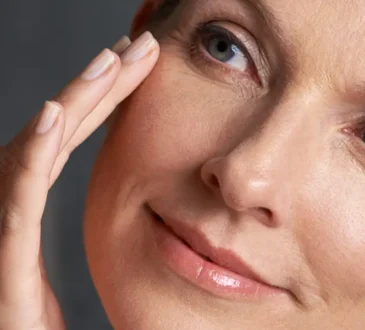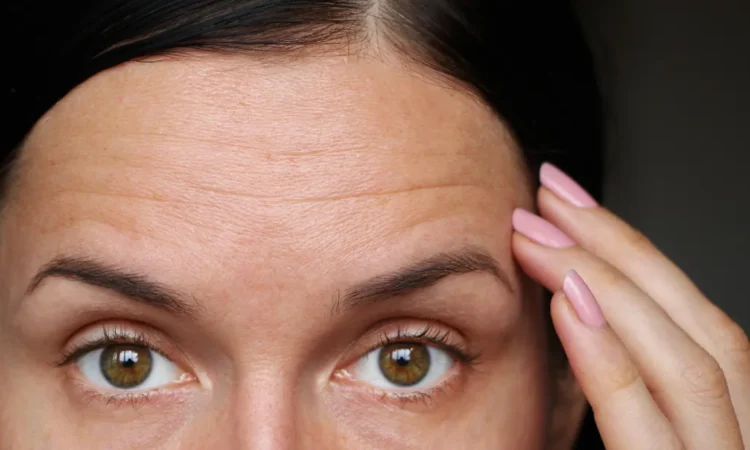
The face tells our story through movement and expression. Lines between the brows develop over years of squinting, concentrating, and expressing emotion. These vertical creases can make us look tired or cross, even when we feel happy.
Many people worry that treating these lines means losing their ability to show emotion. This concern stops them from exploring options that could help them feel more confident. The truth is that modern approaches focus on softening, not freezing.
What Creates Those Lines
Repeated muscle movements etch marks into our skin over time. When we frown or concentrate, the muscles between our brows contract. This happens hundreds of times each day without us noticing.
Young skin bounces back easily after these movements. As we age, the skin loses its ability to spring back. The lines become permanent fixtures rather than temporary creases. Sun exposure and genetics also play their part in how quickly these changes appear.
The Modern Approach to Treatment
Today’s frown line reduction techniques aim for subtle results. The goal is to relax the muscles that create deep furrows without stopping natural movement. This allows people to maintain their range of expressions whilst softening the appearance of harsh lines.
Treatment involves small injections that work beneath the skin’s surface. The procedure takes only minutes and requires no downtime. Most people return to their daily activities straight away.
The key lies in the precision of the technique. Skilled practitioners understand facial anatomy and how muscles interact. They know exactly where to place treatments for natural outcomes. This expertise makes the difference between a frozen look and a refreshed appearance.
What to Expect From Results
Changes appear gradually over several days following frown line reduction. The full effect develops within two weeks. Lines soften and the area between the brows looks smoother.
Movement remains possible, but the muscles don’t contract as forcefully. You can still raise your eyebrows and show surprise. Expressions of concern or concentration look gentler rather than harsh. Friends might notice you look more rested without knowing why.
Results typically last three to four months. The longevity varies between individuals based on metabolism and muscle strength. Regular maintenance helps keep the softened appearance consistent over time.
Choosing the Right Provider
Finding someone experienced in facial aesthetics makes all the difference. Look for practitioners who listen to your concerns and discuss realistic outcomes. They should assess your face carefully and explain their approach.
A good provider will show you before and after photos of their work. These images help you understand the natural results possible with frown line reduction. Be wary of anyone who promises dramatic changes or pushes you toward treatment.
During your consultation, ask about their training and experience. Find out how many treatments they perform. The answers will help you feel confident in your choice.
Managing Your Expectations
Frown lines won’t vanish completely, especially if they’re very deep. The treatment softens their appearance rather than erasing them entirely. Some people need additional treatments targeting the skin itself for maximum improvement.
Age and skin condition affect results too. Younger skin with less damage responds differently than mature skin with established creases. Your provider can explain what’s realistic for your situation.
Maintaining Natural Movement
The fear of looking frozen often stems from seeing poorly done treatments. When frown line reduction is performed well, people can’t tell you’ve had work done. They simply notice you look refreshed and approachable.
Communication with your practitioner ensures you get the results you want. Tell them if you prefer very subtle changes or slightly more noticeable softening. Most people prefer to start conservatively and add more if needed.
Your face should still move when you talk, laugh, and express yourself. The difference is that those vertical lines between your brows won’t carve as deeply into your skin. You’ll look like yourself, just with a softer, more relaxed appearance around the brow area.