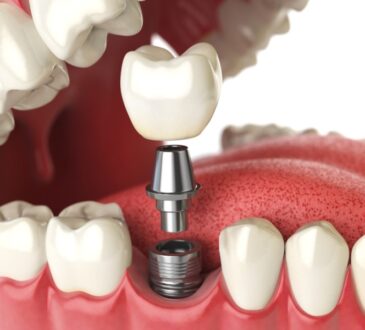
Being told that you need a dental crown can leave you wondering what actually happens during the appointment. The preparation visit is an important part of the process because the tooth must be assessed, shaped, and measured before the permanent crown can be made and fitted.
Understanding the sequence can make the appointment feel more predictable.
Why Does a Tooth Need to Be Prepared for a Crown?
A dental crown fits over the visible portion of a tooth. It may be recommended when a tooth has substantial damage or decay, a large restoration has weakened it, or after certain root canal treatments.
The crown cannot simply be placed over the tooth in its existing shape. The dentist needs to create enough space for the crown while preserving as much healthy tooth structure as possible.
Before the Preparation Begins
The appointment generally starts with an examination and discussion of the tooth. Your dentist may review X-rays or other diagnostic information and assess whether the tooth is suitable for a crown.
It is also useful to discuss sensitivity, pain, previous root canal treatment, grinding or clenching, appearance concerns, and questions about the type of crown being considered. If there is active decay, infection, or another problem, that may need to be addressed first.
Local Anaesthetic Keeps the Area Comfortable
Local anaesthetic may be used to numb the area before the tooth is prepared. You may still notice pressure, vibration, or the sound of dental instruments, but the area should be numb.
If you are anxious about treatment, tell your dentist before the procedure so appropriate comfort measures can be discussed.
The Tooth Is Carefully Reshaped
The dentist removes a controlled amount of tooth structure to create the shape and clearance required for the crown. The amount depends on the tooth, the type of crown, existing damage, and the planned restoration.
The goal is not simply to make the tooth smaller. Preparation creates a suitable foundation while preserving as much healthy natural tooth structure as practical.
Your Bite Is Checked
A crown needs to work with the surrounding teeth. After preparation, your dentist considers how the upper and lower teeth come together, particularly for back teeth that receive substantial chewing forces.
If a crown is too high or not shaped appropriately, it may interfere with your bite or feel unnatural when chewing.
The Tooth Is Scanned or Measured
After preparation, information about the tooth and surrounding teeth is captured so the crown can be made. Digital scanning may be used to record tooth shape, size, bite, surrounding teeth, restoration margins, and colour or appearance.
The exact workflow can vary depending on the type of crown and laboratory process.
What Happens While the Permanent Crown Is Being Made?
You may not leave the preparation appointment with the permanent crown. Depending on the treatment and laboratory workflow, a temporary crown may be placed to protect the prepared tooth while the permanent restoration is being fabricated.
Your dentist may provide specific instructions about eating, cleaning, and what to do if the temporary becomes loose.
The Second Appointment: Fitting the Permanent Crown
The preparation appointment is only one stage of the process. At the later appointment, the temporary restoration is removed if one was placed and the permanent crown is evaluated.
Your dentist checks its fit, shape, colour, contact with neighbouring teeth, bite, and overall appearance before permanently securing it.
Frequently Asked Questions
Is a crown preparation appointment painful?
The tooth is generally numbed with local anaesthetic during preparation. You may feel pressure or vibration, but tell your dentist if you feel discomfort.
How long does crown preparation take?
The appointment length varies according to the tooth, its condition, the preparation required, and the type of restoration.
Will I get a temporary crown?
Often, a temporary restoration is placed while the permanent crown is being fabricated, although the exact approach depends on the treatment.
Can I eat after having a tooth prepared for a crown?
Follow your dentist’s instructions. Wait until normal sensation returns before eating foods that could cause you to bite your cheek or tongue. With a temporary crown, you may also be advised to avoid sticky or hard foods.
What happens if my temporary crown comes off?
Contact your dental office for advice. Avoid attempting to permanently fix it yourself.
Final Thoughts
A crown preparation appointment follows a straightforward sequence: the tooth is assessed, numbed, carefully prepared, measured or digitally scanned, and protected with a temporary restoration when appropriate. The permanent crown is then fitted at a later stage.
If you have been told that you need a crown, ask your dentist why it is recommended, what will happen during preparation, whether you will receive a temporary crown, and what the timeline will be.
For patients considering dental crowns in Cambridge, a consultation can provide a clearer understanding of the condition of the tooth, the proposed restoration, and what to expect from preparation through final placement.