Harsh Weather Drying Your Lips? Intensive Balms Support Everyday Moisture Protection

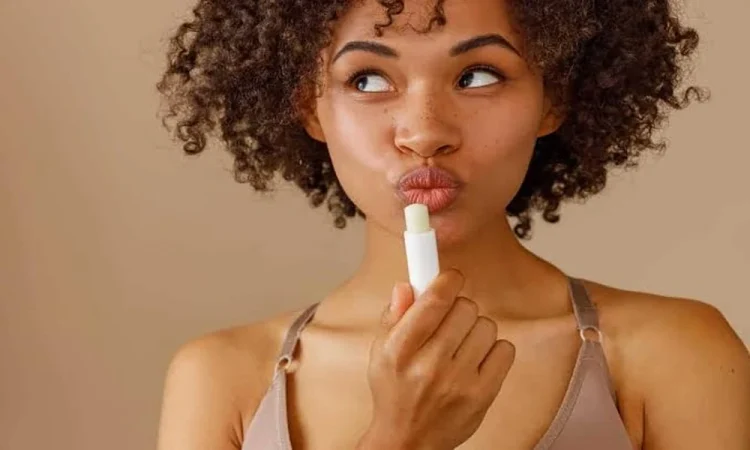
Lips lose water faster than almost any other skin. Their outer layer is thin, with no oil glands below. Cold wind and heated rooms strip that surface in hours. Eating, talking, and breathing disturb it all day long. Here, the best lip balm for dry lips wins on ingredients. Flavor and shine matter far less than formula. Understanding why winter cracks lips explains which ingredients help. Certain popular additives, surprisingly, make dryness worse. Timing and daily habits decide how long relief lasts.
Cold Air Pulls Water From Lips
Winter air holds very little humidity. As temperatures drop, dry air draws water out of exposed skin. Indoor heaters repeat the damage after sunset. Lips, lacking oil glands, cannot rebuild that barrier unaided. Licking feels helpful, yet saliva evaporates and leaves the surface drier. Digestive enzymes in saliva irritate cracks further.
Why Do Certain Balms Leave Lips Drier?
Humectants like glycerin and hyaluronic acid draw water toward skin. Left uncovered, that water escapes into dry air in minutes. Relief arrives fast, then lips feel tighter than before. Humectant-only formulas trap users in a constant reapplication loop. Thin, glossy sticks tend to share this flaw.
Occlusives Seal Moisture Against Winter Wind
Dermatologists recommend layering a sealing film above a humectant. The best lip balm for dry lips holds both in one formula. Proven occlusives each contribute something distinct:
- Petrolatum blocks nearly all water loss from the surface.
- Beeswax holds firm in biting wind.
- Shea butter softens flaky patches while sealing them.
- Lanolin mimics the skin’s own protective lipids.
Which Additives Turn Lip Care Against Itself?
Pleasant sensations can hide real irritation. Fragrance-free, unflavored formulas carry less risk for cracked skin. Labels deserve a check for these culprits:
- Menthol tingles but dries tissue.
- Camphor inflames already broken patches.
- Flavoring tempts frequent lip licking.
- Salicylic acid peels fragile layers.
When Should Intensive Balm Go On?
Applying balm after washing traps water still on the surface. Pat lips damp, then seal them in under a minute. Before bed, a thick ointment layer works as an overnight mask. Ceramides beneath petrolatum help rebuild deeply cracked lips. A bedroom humidifier adds the moisture winter air lacks.
Plain Petrolatum Outlasts Menthol’s Cooling Tingle
That cooling tingle from menthol feels like healing. In truth, it signals mild irritation on thin skin. The plainest jar of petrolatum, bland and greasy, does more. Winter lip care rewards boring formulas over sensory ones. Judging a balm by its sensation leads lips in circles. Judging it by what stays on the surface ends the cycle.
FAQs
How often should lip balm be reapplied in winter?
Reapplying every few hours, plus after meals and drinks, keeps the protective film intact. Thicker ointments cling longer and need fewer touch-ups than thin, waxy sticks.
Can petroleum jelly alone treat chapped lips?
Petroleum jelly seals existing moisture well but supplies no water of its own. Applied over damp lips or a humectant balm, it delivers far stronger results.
Is exfoliating cracked lips a good idea?
Scrubbing damaged lips tears an already weakened barrier and slows healing. Flakes lift on their own once consistent sealing restores moisture.
When do dry lips need a doctor’s attention?
Cracking that persists beyond two to three weeks despite good care deserves a dermatologist’s review. Splitting at the mouth corners can point to infection, allergy, or a nutritional gap.
Do tinted or flavored balms work for very dry lips?
Tints and flavors add pleasant appeal but bring extra ingredients that can sting cracked skin. A plain, fragrance-free formula heals first, and color can return once lips recover.
Does sunscreen matter for lips during winter?
Winter sun still damages lip tissue, especially on snow or at high altitude where rays reflect strongly. A daytime balm with SPF 30 or higher shields the surface while sealing in moisture.