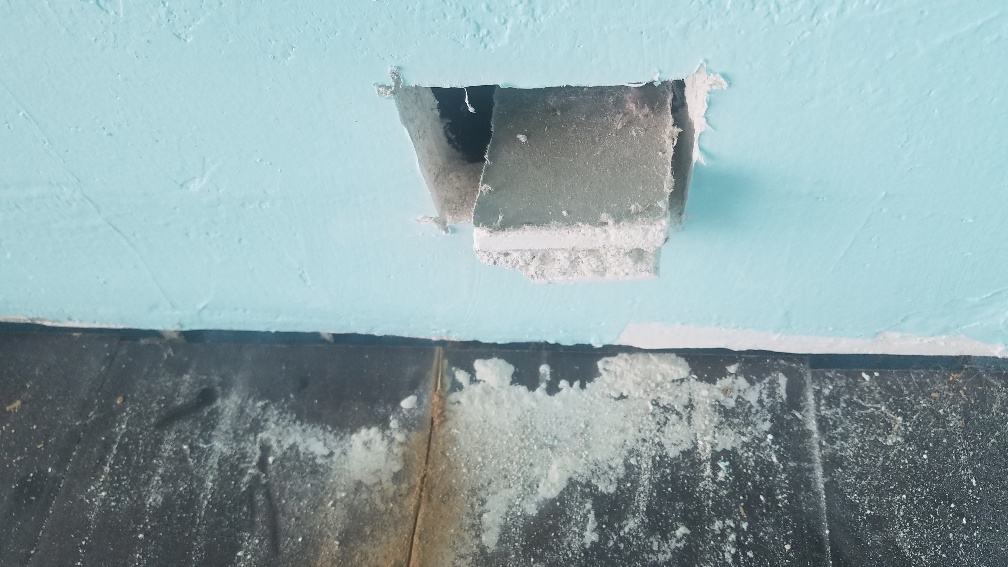
Unfortunately, mold is all too common in homes, with some estimates suggesting that around half of American homes have some sort of mold issue. Not only is mold on the walls unsightly, but it can adversely affect those with allergies, make breathing problems worse and cause a variety of conditions such as nausea, bronchitis and irritated eyes. And if left untreated, it can even damage the structure of your home. Although mold can be cleaned away fairly easily, it can be difficult to keep even the cleanest home 100 percent mold free. It helps to know the common symptoms of mold exposure too; a runny nose, sneezing, a general feeling of nausea, coughing and itchy eyes can all be telling signs.
There are various options for mold exposure treatment, and the severity of the problem often determines what type of treatment may be the most effective. Of course, avoiding mold altogether is one solution, although it’s often difficult to do that. Wearing a dust mask to sleep, and making sure the windows are closed at night can help to minimize the chances of exposure to mold, as most spores are airborne at night. And staying indoors during damp or foggy weather can also help anyone with allergic reactions to mold. Various medications can help treat exposure to mold, although it’s also the case that most medications tend to alleviate the symptoms, rather than cure them completely.
Nasal sprays are one of the most effective forms of mold exposure treatment, and work for most people by reducing the amount of inflammation caused. Antihistamines can help with some of the unwanted effects of being exposed to mold in the home, such as a runny nose, sneezing and itching. Some of these are available by prescription, while others are widely available over the counter, and in general you can expect few side effects beyond a feeling of drowsiness, dry mouth and a somewhat unpleasant aftertaste.
Some allergy sufferers find there can be mild side effects with decongestant nasal sprays, although these are also an effective option for mold exposure treatment. Various oral decongestants can also help, although these shouldn’t be taken by anyone with high blood pressure, and the side effects can include a loss of appetite, insomnia and anxiety. Those suffering from asthma and exposed to mold can also benefit from taking Montelukast, which blocks the immune system chemicals that cause the allergic reaction.
For anyone with a severe reaction to mold, or anyone looking for a long term solution, immunotherapy may be recommended. It’s a series of shots, often taken over a period of several years; the shots won’t trigger a full blown allergic reaction but are able to effectively stimulate the body’s immune system. And if you live or work in an environment where mold is present and are looking for a simple yet effective home remedy, a nasal lavage may be the answer. It involves daily rising of your nose with a specially designed syringe filled with salt water.